How stereotactic ablative radiotherapy is changing pancreatic cancer treatment
9 minute read
Introduction
Pancreatic cancer remains one of the most challenging cancers to treat. Even with improvements in care over recent decades, outcomes are still poor. For patients who are able to have successful surgery, outcomes improve, but many people will still need further treatment.
Pancreatic cancer can be difficult to detect early because symptoms are often vague or mistaken for other conditions. As a result, only around 1 in 10 people are diagnosed at a stage where surgery is immediately possible. For most people, the cancer is already more advanced by the time it is found. Even when surgery can be performed, it is a major operation. Recovery can take time, it may delay other treatments such as chemotherapy and does not remove the risk of the cancer returning either in the pancreas or elsewhere in the body.
In the past, radiotherapy was rarely used for pancreatic cancer because the pancreas sits very close to sensitive organs such as the stomach and bowel, limiting how much radiation can be safely delivered. This meant clinicians could not safely give a high enough dose of radiation to fully treat the tumour. However, recent advancements in radiotherapy techniques have opened up new possibilities for treatment.
Current evidence suggests a technique called stereotactic ablative radiotherapy (SABR) using real-time magnetic resonance imaging (MRI) guidance, known as MRI-guided SABR, may be helpful for many people with pancreatic cancer at different points in their care. This approach allows doctors to deliver highly targeted radiation doses that can control tumour growth over a much shorter treatment course, typically just five treatment sessions across one week. It can be used to treat tumours that cannot be removed with surgery, to help control cancer growth, and in some cases reduce tumour size after chemotherapy, which may help make surgery possible for some patients. It can also be used to treat small areas where the cancer has spread to other parts of the body, and some studies suggest that for some patients, SABR may offer better tumour control and longer survival compared with other forms of radiotherapy.
What is MRI-guided SABR
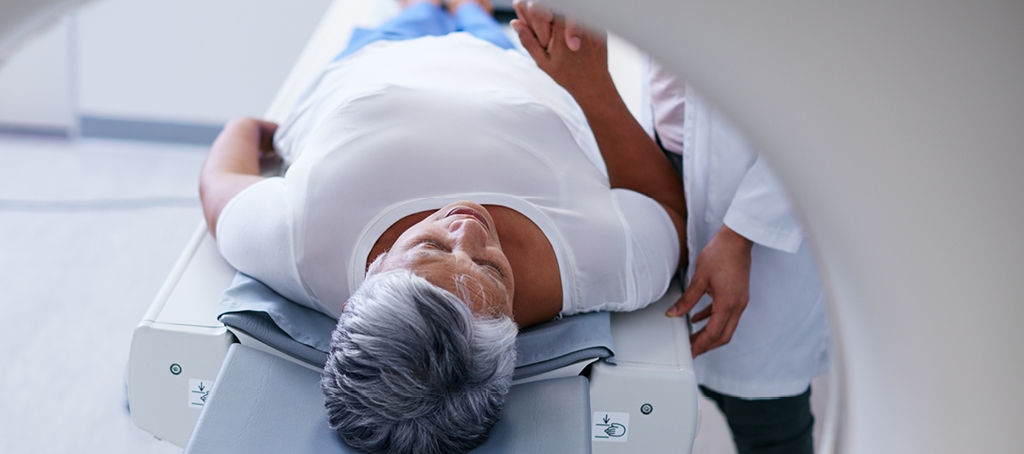
GenesisCare pioneered the use of MRI-guided SABR which is delivered using the advanced technology of the MR Linac which combines high-resolution MRI with extremely precise radiotherapy beams to treat tumours more accurately and faster than conventional radiotherapy.
Because the MR Linac has a built-in MRI scanner, it enables clinicians to see the tumour in real-time as they treat. This means the radiation beam will turn on only when the tumour is positioned precisely in the treatment window and automatically turn off if the tumour moves by a fraction. This helps protect healthy tissue from unnecessary radiation exposure, leading to fewer side effects.
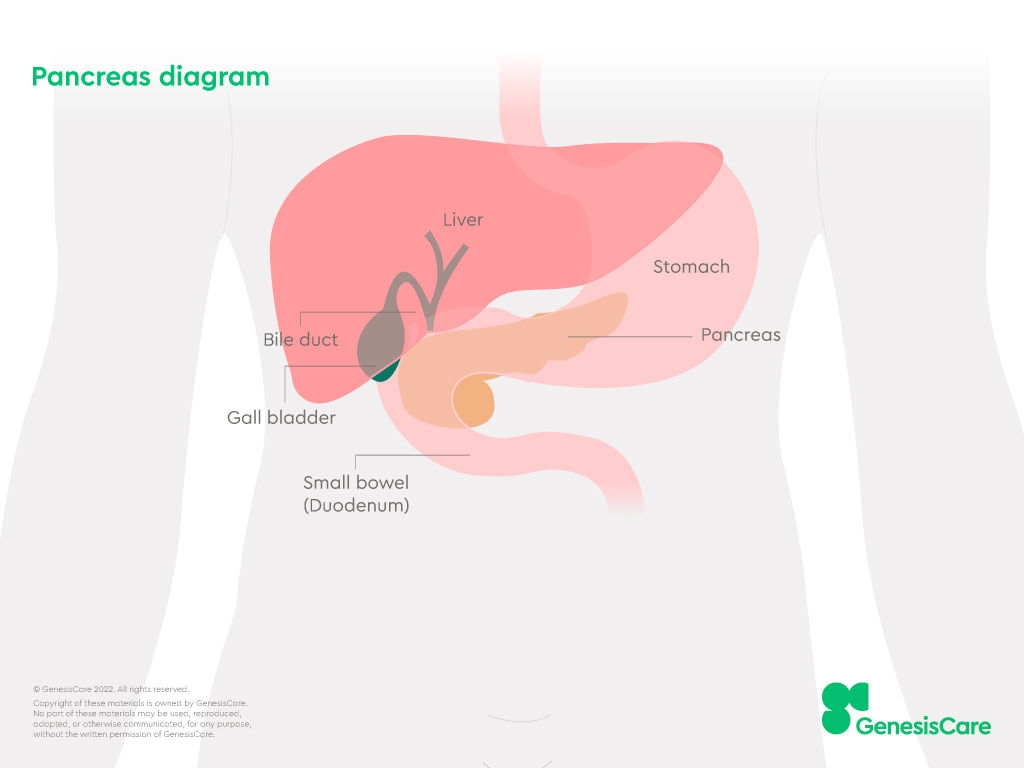
This is particularly important for pancreatic cancer, as the pancreas sits close to sensitive organs such as the stomach, bowel, and liver, and can move slightly from day to day with breathing and digestion.
MRI-guided SABR is usually delivered over a small number of treatment sessions that take 75-90 minutes, and often within one week. This short treatment course means it can be integrated easily with chemotherapy and other treatments, with minimal disruption to ongoing care and daily life.
Benefits of MRI-guided SABR across all stages of care
Maintaining quality of life
Quality of life is central to all treatment decisions at GenesisCare. Studies following patients who have received MRI-guided SABR show patients maintain a stable quality of life, even months to years after treatment.
Minimal disruption to chemotherapy
Traditional radiotherapy often requires three to six weeks of 15 to 30 treatments. In contrast, MRI-guided SABR delivered on the MR Linac is usually completed in around one week, allowing patients to return to chemotherapy quickly. Some patients also value SABR as a planned pause from chemotherapy while still actively treating the cancer, particularly if side effects are becoming difficult to manage.
How MRI-guided SABR can be used across different stages of pancreatic cancer
Locally advanced pancreatic cancer (when surgery is not possible)
Many people are diagnosed with pancreatic cancer that cannot be removed surgically because as the tumour grows it can wrap around or grow into nearby blood vessels, making surgery unsafe or impossible. In these cases, chemotherapy is usually given first to control disease spread. SABR may then be offered to treat the tumour directly, controlling tumour growth or spread (this is often referred to as local tumour control).
Modern studies using MRI-guided SABR show local tumour control is achieved in around 70-90% of patients one year after treatment. This means in most patients, the cancer in the treated area either shrinks or remains stable. In selected patients receiving SABR after chemotherapy, on average, survival of around 18 to 24 months after diagnosis have been reported, which is longer than would typically be expected with chemotherapy alone.
In selected patients, clinical studies show local control can be achieved in more than half of patients, even in people who have previously received radiotherapy. This means tumour growth in the treated area can often be slowed or stabilised.
Importantly, SABR is generally well tolerated with minimal side effects. For those who are not suitable for surgery, MRI-guided SABR provides an effective way to control the cancer, reduce the risk of pain or blockage caused by tumour growth, and help maintain quality of life. Furthermore, as SABR is highly targeted, it can often be delivered safely in previously treated areas, offering a meaningful option where alternatives are limited.
Oligometastatic pancreatic cancer
In a small number of people, pancreatic cancer spreads to a few areas elsewhere in the body (called metastasis), often the liver or lungs. When cancer spreads to just a few small spots (usually 1–5) in a single organ, this is called oligometastatic disease. Because the spread is limited, some people with oligometastatic pancreatic cancer may be considered for additional targeted treatments alongside chemotherapy. Growing evidence suggests that some carefully selected patients may also benefit from the inclusion of SABR.
Clinical studies show treating these limited metastatic sites with SABR can significantly delay cancer progression. In one study, patients who received SABR alongside chemotherapy, tumours did not progress for more than 10 months, compared with around 2-3 months for those receiving chemotherapy alone. Importantly, this longer period of disease control was achieved without an increase in serious side effects.
While this approach is not suitable for everyone, these results suggest SABR may offer selected patients with oligometastatic pancreatic cancer a longer period of disease control without compromising their day-to-day wellbeing.
Pancreatic cancer in the palliative setting
When pancreatic cancer spreads to other parts of the body, it is called metastatic or stage 4 cancer. Some people may have oligometastatic disease, where the cancer has only spread to a few small spots – all oligometastatic cases are stage 4, but not all stage 4 cancers are oligometastatic.
At this stage, treatment focuses on slowing the cancer, controlling symptoms, and helping patients feel as well as possible. Supportive (palliative) care is an important part of treatment and helps patients stay comfortable and maintain their quality of life while receiving cancer therapy.
Some people with advanced pancreatic cancer develop severe pain in the upper abdomen or lower back. This happens when the cancer affects a group of nerves deep in the abdomen called the coeliac plexus. This type of pain can be difficult to control, even with strong pain medications.
A recent international study looked at whether a single, highly targeted SABR treatment of these nerves could help relieve pain. In this study, most patients had metastatic pancreatic cancer and were already receiving treatment for advanced disease. They received one treatment session directed at the nerve area causing pain.
Three weeks after treatment, over half of patients reported a meaningful reduction in their pain levels. This means their average pain score dropped by at least two points on a standard pain scale. For many patients, this represented noticeable relief from ongoing discomfort.
Serious treatment-related side effects were uncommon, although a small number of patients experienced significant complications. Because these patients had very advanced cancer, it can sometimes be difficult to determine whether side effects were caused by treatment or by the disease itself.
Importantly, this type of treatment is not intended to cure the cancer or stop it from spreading. Instead, SABR to the coeliac plexus may offer a non-invasive way to help provide pain relief when other approaches, such as nerve blocks or medications, are not sufficient.

Claire, GenesisCare patient - treated for inoperable pancreatic cancer on the MR Linac
Emerging roles for SABR in pancreatic cancer
Borderline resectable pancreatic cancer
Borderline resectable pancreatic cancer is a type of pancreatic cancer that might be removable with surgery. It’s cancer that could be removed, but extra treatment may be needed first to improve the chances of a safe surgery.
In some people, pancreatic cancer is very close to important blood vessels, which can make surgery harder at the time of diagnosis. In these cases, doctors often start with chemotherapy first. For certain patients, SABR (a precise form of radiotherapy) may then be used to help control the tumour locally and support the next steps in treatment. In a large study looking at MRI-guided SABR for pancreatic cancer, more than half of the patients with borderline resectable tumours were able to have surgery after treatment. For most of these patients, the surgery was able to remove all visible cancer, which is important because completely removing the tumour is linked to better long-term outcomes. Using SABR before surgery is still an evolving approach. While some studies show encouraging results in selected patients, more research is underway to confirm which patients benefit most and how best to combine SABR with chemotherapy and surgery.
Technically resectable pancreatic cancer (when surgery is not suitable)
In some people, pancreatic cancer is found at a stage where surgery could technically remove the tumour. However, surgery is not always the best option. Other health conditions, older age, frailty, or concerns about recovery after major surgery may mean that an operation is not suitable.
In this situation, SABR may be considered as a non-surgical treatment option to help control the tumour locally. SABR delivers a high dose of radiotherapy very precisely over a short period of time, while minimising exposure to surrounding healthy organs.
In a recent study, people with technically resectable pancreatic cancer who were not suitable for surgery were treated with radiotherapy, with some treated with MRI-guided SABR. The study showed that for many people, the tumour was well controlled after treatment, and more than 40% were still alive two years later. Importantly, serious side effects affecting the stomach or bowel were uncommon.
How MRI-guided SABR fits into modern pancreatic cancer care
MRI-guided SABR delivered on an MR Linac is an important advancement in the treatment of pancreatic cancer, offering a precise and targeted form of radiotherapy that can be tailored to different stages of the disease. Evidence shows MRI-guided SABR can help control cancer growth when surgery is not possible, treat cancer that has returned locally, and, in selected cases, support other treatment options alongside chemotherapy.
Because MRI-guided SABR is delivered over a short course of treatment sessions, it fits well into wider treatment plans and minimises disruption to ongoing care. Studies also show that most people tolerate MRI-guided SABR well and are able to maintain their quality of life during and after treatment.
Why choose GenesisCare?
Our specialist teams decide on SABR treatment based on a patient’s overall health, tumour characteristics, and care goals, ensuring the approach is carefully personalised. Fast treatment is essential for people with pancreatic cancer. That's why we offer a rapid access pathway for those with pancreatic cancer that hasn’t spread outside the pancreas. Eligible patients can start treatment within five working days of their oncologist agreeing treatment with them, and the referral being received. This approach maximises the chance of getting the best outcome from treatment.
At GenesisCare, SABR is considered as part of a personalised approach to pancreatic cancer care, guided by the best available evidence and delivered by specialist multidisciplinary teams. While SABR is not currently suitable for everyone, it represents a valuable treatment option for many patients at different stages of pancreatic cancer.
We are always here to help you understand whether SABR may be appropriate as part of your individual treatment plan. Our team is on hand to answer your questions, get in touch today.