




- Our Doctors
- Dr Rosemary Habib
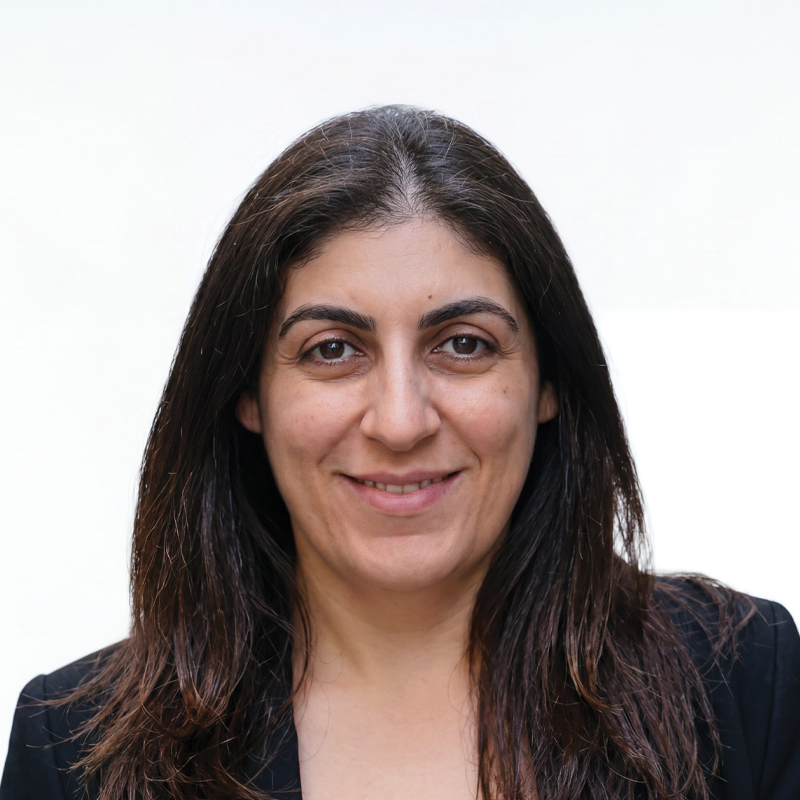
Dr Rosemary Habib
Medical Oncologist
For patients/carers
For doctors
Medical Oncologist
Locations

Clinical interests
- Head and neck cancer
- Thyroid cancer
- Soft tissue sarcoma
- Non-melanoma skin cancer
- Upper GI cancer
Languages
Fluent
- English
Biography
Clinical interests in head and neck cancers, thyroid cancers, sarcomas, skin cancers, and upper gastrointestinal cancers
Dr Habib is committed to providing compassionate, personalised care and works closely with patients and their families throughout all stages of treatment.
Dr Habib graduated in medicine from Australian National University and completed her medical oncology training through Westmead and Blacktown Hospitals. She completed her PhD through University of Sydney and Westmead Institute for Medical Research, focusing on biomarker discovery and CAR T-cell development.
Alongside her clinical practice, she is actively involved in both industry-sponsored and investigator-initiated clinical trials. Dr Habib continues to contribute to translational cancer research in biomarker discovery, novel immunotherapy approaches, quality assurance, and patient-reported quality of life outcomes. She has been involved in nationally competitive grant-funded research programs, including NHMRC-supported projects, and collaborates with local, national, and international research groups to improve cancer care.
Dr Habib is also passionate about medical education and mentoring and is actively involved in teaching medical students, doctors in training, and higher degree research students. She contributes to oncology education through formal teaching, research supervision, and mentorship, with a strong focus on supporting the next generation of clinician researchers. Dr Habib also serves on local and national clinical, research, and advisory committees focused on improving cancer outcomes and research quality.
Explore more




Disclaimer:
This website is provided for information purposes only. Nothing on this website is intended to be used as medical advice, or to diagnose, treat, cure or prevent any disease. It should not be used as a substitute for your own health professional's advice. Any medical procedure or treatment carries risks. Before proceeding with treatment, you should discuss the risks and benefits of the treatment with an appropriately qualified health practitioner. Individual treatment outcomes and experiences will vary.

You are leaving our website
You are now leaving our website. GenesisCare do not control this content and therefore are not responsible for its accuracy or reliability.